



Concrete Transport Truck
Tank capacity:4m3
Product Details
Our product
A concrete transport truck is a special vehicle for transporting concrete. During transportation, the concrete mixer tank loaded with concrete can rotate slowly, which can effectively prevent the segregation of concrete and ensure the quality of concrete transportation.


The types of concrete mixer trucks are as follows:
(1) According to the structure of the carrying chassis, concrete mixer trucks are divided into self-propelled and trailer-type mixer trucks. Self-propelled mixer trucks use ordinary truck chassis, while trailer-type trucks use special trailer-type chassis.
(2) According to the transmission form of the mixing device, concrete transit mixer trucks are divided into mechanical transmission, full hydraulic transmission and mechanical-hydraulic transmission concrete mixer trucks.
(3) According to the driving form of the mixing drum, concrete mixer trucks are divided into centralized drive and single drive mixer trucks.
(4) According to the mixing capacity, concrete mixing transport trucks can be divided into small (mixing capacity is less than 3 m³), medium (mixing capacity is 3 to 8 m³) and large (mixing capacity is more than 8 m³). Medium-sized trucks are more common, especially those with a capacity of 6 m³. The most commonly used.
Product Usage
There are two ways to transport concrete using a concrete mixer truck.
(1) When the transportation distance is less than 10km, load the mixed concrete into the concrete mixer tank. During transportation, the concrete mixing tank will continuously rotate at a low speed. In this way, the concrete will not be stratified, segregated or prematurely set in the drum, ensuring that the concrete mixture is uniform when it is unloaded at the construction site. This method actually uses the self loading concrete mixer truck as a special transportation tool for concrete.
(2) When the transportation distance is greater than 10km, in order to reduce energy consumption and mechanical wear, the dry concrete mix prepared by the mixing station according to the mix ratio requirements can be directly loaded into the mixing drum. The mixing water is injected into the water tank. When the vehicle is 15 to 20 minutes away from the pouring site, start the mixer and inject a certain amount of water in the water tank into the mixing drum for mixing. That is, the concrete is transported and mixed during the journey, and the mixed concrete is unloaded at the pouring site.
Key points for use
The specific key points for the use of concrete mixer trucks are as follows
(1) When a new mixer truck is put into use, it must be fully inspected and tested. It can only be officially used after everything is normal.
(2) The pressure of the hydraulic oil in each part should meet the specified requirements and cannot be changed at will. The oil quantity, oil quality and oil temperature of the hydraulic oil should meet the specified requirements, and there should be no leakage in all oil circuit components.
(3) During mixing and transportation, the weight of the loaded concrete cannot exceed the allowable load.
(4) When the concrete transportation truck is parked in the open air, the mixing drum should be reversed before loading to discharge the accumulated water and debris in the drum to ensure the quality of the transported concrete.
(5) When the cement transport mixer truck is driving on the road, the extended bucket must be turned over, placed on the discharge hopper and fixed, and then turned to a position perpendicular to the vehicle body, and fixed with a pin shaft and the frame to prevent swinging due to loose fixation, injuring pedestrians or affecting vehicle operation.
(6) When the concrete transport mixer truck passes through facilities such as bridges, tunnels, and warehouses, attention should be paid to the height and width of the passage to avoid collision accidents.
(7) The continuous operation time of the working device should not exceed 8 hours.
(8) During the transportation of concrete, the mixing drum must not be stopped to prevent the initial setting and segregation of concrete.
(9) When the mixing tank changes from forward to reverse rotation, the operating handle must be placed in the middle position first, and then the operating handle can be placed in the reverse position after the mixing drum stops.
(10) The water tank should always be kept full for emergency use. When the mixer is stopped in winter, the water in the water tank and the water supply system must be drained.
(11) The discharge hopper should be used as needed. If it is not long enough, it can be extended by yourself.
(12) It is best to add a little water to the drum before loading to ensure smooth feeding and prevent sticking.
(13) When used for mixing concrete, 2/3 of the total water volume must be added to the mixing drum first, and then aggregate and cement are added for mixing.
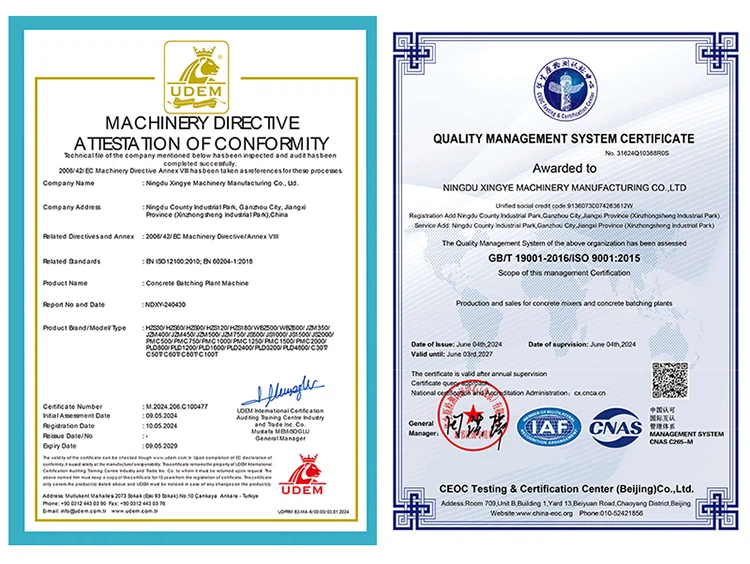
Certifications
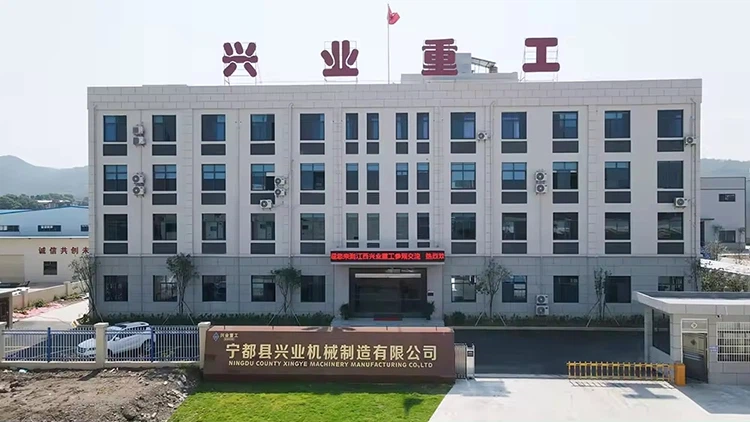
Our Company


Packaging And Shipping


FAQ
Q: How do you prevent the cylinder of a small concrete mixer truck from cracking?
Hot Tags: concrete transport truck, China concrete transport truck manufacturers, suppliers, factory
Product Parameter
A concrete mixer truck consists of a truck chassis and a concrete mixer tank.
4 Cubic Concrete Transit Mixer Truck Configuration List
|
Chassis Configuration |
Tank Configuration |
|
Engine Power: YN4102 |
Tank capacity:4m3 |
|
Tire type:750-16 6 |
Drum material: Q235 |
|
Break type: Airbrake |
Raceway material: Forged Q345B |
|
Number of axles/wheelbase:3300 |
Tank inclination:16° |
|
Tread:1600/1540mm |
|
|
Total weight:5000Kg |
|
|
Size:6300X2100x3050 |
Concrete Truck Mixer Parameter
|
Capacity |
4 CBM |
|
Tank |
4.5-1000*5370 |
|
Tank Body Diameter |
1700 |
|
Dished end diameter |
1515 |
|
Treadmill size |
1245*70 |
|
Tank Opening Diameter |
920 |
|
Beam length |
3350 |
|
Overall size |
4500*1900*2200 |
|
Rollers and spacing |
S900 |
You Might Also Like



Send Inquiry